


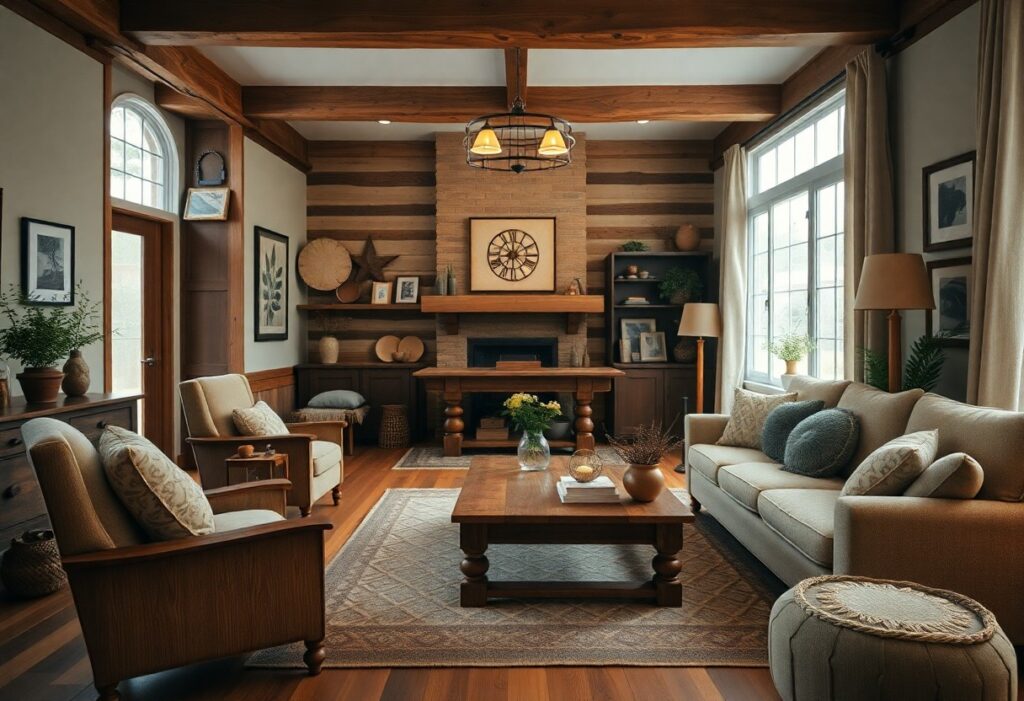
Furniture plays a vital role in shaping the atmosphere of your living room, and opting for rustic pieces can create a warm, inviting space. To help you transform your home, this guide will walk you through six imperative steps to incorporate rustic furniture effectively. By following these strategies, you can enhance your living area with charm and character while ensuring comfort and functionality. Let’s examine how you can curate the perfect rustic look that reflects your style and invites relaxation.
Understanding Rustic Furniture
While rustic furniture embodies a warm charm that captures the essence of nature, it often incorporates imperfections and raw materials that tell a story. Its designs evoke a sense of comfort and nostalgia, allowing you to create a living space that feels both inviting and grounded. By understanding the principles behind rustic furniture, you can seamlessly integrate it into your home, enhancing your living room’s character and warmth.
Characteristics of Rustic Furniture
Against the backdrop of modern minimalist designs, rustic furniture shines through its robust, unrefined appearance. You’ll often discover pieces that feature natural textures, earthy tones, and a handmade quality that adds to their uniqueness and warmth. This style embraces imperfections, echoing the beauty of nature and providing a cozy, lived-in feel.
Popular Materials Used
Between the diverse options available, rustic furniture predominantly features materials like wood, stone, and metal. Each material contributes to the overall aesthetic, adding authenticity and durability that complements your living environment. When choosing pieces, consider how these materials resonate with your personal style and enhance the rustic charm of your space.
Popular materials truly define the character of rustic furniture, with reclaimed wood often taking center stage. This wood, sourced from old barns or furniture, showcases unique histories through its weathered texture and color variations. Stone elements add an organic touch, while wrought iron typically serves as elegant yet sturdy hardware or accents. By incorporating these materials into your living room, you ensure a timeless appeal that bridges the gap between traditional craftsmanship and modern comfort.
Choosing the Right Pieces
If you want to create a warm and welcoming living room, selecting the right rustic furniture is necessary. Look for pieces that reflect your personal style while harmonizing with the natural elements in the space. Prioritize high-quality materials, such as reclaimed wood and wrought iron, to enhance the aesthetic appeal. Don’t shy away from mixing different textures and colors, as this will add depth and character to your living environment.
Essential Rustic Furniture Items
At the heart of any rustic living room are key furniture items that define the space. Start with a sturdy coffee table, comfortable seating like a distressed leather sofa or oversized armchairs, and a charming console table. Incorporate decorative elements such as a weathered bookcase or wooden side tables to add functionality and warmth. Lighting fixtures, such as wrought iron chandeliers or pendant lights, also play a vital role in elevating the rustic vibe.
Sizing and Space Considerations
To ensure comfort and flow in your living room, pay attention to the size of each piece and how they fit within your available space. Choosing oversized furniture in a small area can lead to clutter, while tiny pieces in a larger room may feel lost. Aim for a balanced layout that encourages conversation and movement, allowing you and your guests to enjoy the cozy atmosphere.
It is important to measure your space before purchasing any furniture. Consider the dimensions of your room and the arrangement of existing elements like windows and doors. Utilize tape or furniture layout software to visualize where each piece will go. This approach helps prevent overcrowding and allows for a sophisticated flow, ensuring your rustic living room feels both inviting and functional.
Color Palette and Textures
The right color palette and textures can significantly enhance the rustic feel of your living room. Incorporating earthy tones and natural colors will create a warm and inviting atmosphere, making your space feel cozy and welcoming. Combining different textures, such as wood, metal, and fabrics, adds depth and interest to your design, ensuring that each piece complements the rustic theme while maintaining a sense of harmony throughout the room.
Earthy Tones and Natural Colors
After establishing the foundation of your rustic living room, focus on incorporating earthy tones and natural colors to evoke the feeling of warmth and comfort. Shades of browns, greens, and muted yellows work harmoniously together, creating a serene environment. Consider using paint, furniture, and decor in these colors to reinforce the rustic vibe and connect your space to the beauty of nature.
Mixing Textures for Depth
An vital aspect of achieving a rustic charm is mixing different textures for richness and depth. Layering materials like wood, leather, and woven fabrics can create visual interest and a tactile experience in your living room. You can use a combination of smooth wood coffee tables, soft upholstery, and rough-hewn accents to enhance the overall rustic appeal while maintaining a cohesive feel across your design.
The beauty of mixing textures lies in its ability to create a dynamic environment that draws the eye and invites touch. By incorporating various elements like a chunky knit throw, distressed wooden furniture, and smooth leather chairs, you provide visual contrast without overwhelming the space. This thoughtful combination will enhance your living room’s rustic character and establish a cozy retreat that encourages relaxation and connection with nature.
Arranging Your Living Room
After selecting the right rustic furniture, it’s time to arrange your living room to create a warm and inviting atmosphere. Consider the flow of the space, ensuring there is enough room to move around while creating a cozy environment. Align your seating to invite conversation, and use decorative pieces to enhance the rustic charm that will make your living room the heart of your home.
Layout Ideas for a Cozy Feel
Across various design styles, a cozy layout often involves creating balance and symmetry. Opt for a circular or L-shaped seating arrangement with your sofas and chairs, allowing for relaxation and easy movement. Incorporate a central coffee table, and consider adding an area rug to define the space and provide additional warmth.
Creating Inviting Conversation Areas
Across the arrangement, prioritize creating inviting conversation areas that encourage interaction. Position your seating in small clusters to facilitate dialogue and make the space feel intimate. You can enhance these areas with side tables for easy access to drinks and snacks, adding a personal touch with decorative objects to invite discussion.
Even with rustic furniture, the placement is key to evoke a welcoming vibe. Consider using materials and textures that complement your rustic style while maintaining comfort. Pillows and throws can add softness to seating areas, making them more inviting. You might also want to arrange furniture pieces to face each other, which naturally fosters conversation and connection among your guests, creating a warm and engaging living room atmosphere.
Adding Personal Touches
Not only do personal touches enhance the charm of your rustic living room, but they also reflect your unique style and memories. Incorporating family heirlooms, mementos from travels, or handmade items adds character and warmth to the space, making it inviting for you and your guests. Don’t shy away from mixing different textures and colors; they can create a cozy atmosphere that truly feels like home.
Incorporating Decor and Accessories
Above all, the decor and accessories you choose play an important role in tying your rustic living room together. Use textures like woven baskets, wooden trays, and linen throws to add depth and interest. Choosing natural materials and organic shapes will enhance the rustic appeal while creating an inviting environment. Small items, like candles and vintage books, can serve as thoughtful accents that invite conversation.
The Role of Artwork in Rustic Design
Adding artwork to your rustic living room not only enhances its aesthetic appeal but also conveys your personality and interests. Art pieces, whether they are paintings, photographs, or sculptures, can act as focal points in the room, drawing the eye and sparking conversations. Choose artwork that resonates with you, perhaps reflecting nature or local landscapes, to maintain the rustic theme while showcasing your individuality.
This integration of artwork contributes to the overall ambiance of your living room, harmonizing with the warmth and comfort that rustic design embodies. You can select pieces framed in natural wood or even consider canvas art that represents your journey or experiences. The right artwork fosters an emotional connection, transforming your living space into a true reflection of you and ensuring that it feels lived-in and cherished.
Maintenance and Care
Once again, caring for your rustic furniture is necessary to preserve its beauty and character. Regular maintenance not only enhances its natural charm but also extends its lifespan. Simple practices such as cleaning, conditioning, and safe storage can keep your pieces looking their best while preventing deterioration over time.
Keeping Your Rustic Furniture Looking Great
Keeping your rustic furniture clean is imperative to maintaining its visual appeal. Use a soft cloth to dust surfaces and a gentle cleaner to wipe away stains. Avoid harsh chemicals, as they can strip the wood of its natural finish. Regularly checking for signs of wear and addressing them promptly will help to maintain the integrity of your furniture.
Tips for Longevity
One effective way to ensure the longevity of your rustic furniture is by following these tips:
- Avoid placing furniture in direct sunlight to prevent fading.
- Use coasters and placemats to protect surfaces from heat and moisture.
- Regularly apply wood conditioner to nourish the wood and prevent cracks.
- Store furniture in a climate-controlled environment to maintain humidity levels.
Knowing these practices will help you enjoy your rustic furniture for years to come.
Plus, implementing these tips can make a significant difference in your furniture’s lifespan:
- Check for loose joints and repair them immediately to avoid bigger issues.
- Rotate accessories and decor to prevent uneven wear on surfaces.
- Keep pets’ claws trimmed to mitigate scratching.
- Maintain a consistent indoor temperature to reduce expansion and contraction of the wood.
Knowing how to care for your rustic furniture allows you to maintain its charm and functionality while enhancing your living space’s inviting atmosphere.
Summing up
Ultimately, creating an inviting and charming living room with rustic furniture involves a thoughtful approach to design and decoration. By selecting the right pieces that reflect natural materials, incorporating textures, and balancing the layout, you can transform your space into a cozy retreat. Your attention to detail, from color choices to personal touches, will enhance the rustic charm. Embrace these six steps, and you’ll establish a warm atmosphere that invites both comfort and style, showcasing your personal taste while welcoming guests into your home.
FAQ
Q: What are the key characteristics of rustic furniture that make it suitable for a charming living room?
A: Rustic furniture typically features natural materials such as reclaimed wood, wrought iron, and stone, which contribute to its earthy and inviting aesthetic. The handmade craftsmanship often showcases unique imperfections, adding character and warmth to the space. Thicker, sturdy designs with a weathered finish create a sense of comfort and relaxation, making rustic furniture an ideal choice for a cozy living room atmosphere.
Q: How can I incorporate rustic furniture into my existing living room design?
A: To blend rustic furniture into your current living room, start by selecting a few statement pieces, such as a coffee table, side tables, or a wooden bench. Choose items that complement your existing decor, focusing on neutral colors and organic textures. Introduce rustic elements gradually, like incorporating throw pillows in natural fabrics or using a reclaimed wood shelf. Be mindful of balance; aim for a cohesive look by mixing rustic pieces with modern accents or other styles to create an inviting and harmonious space.
Q: What accessories can enhance the rustic charm of my living room?
A: Accessories play a vital role in enhancing the rustic charm of your living room. Consider adding handmade pottery, woven baskets, or natural fiber rugs to infuse organic textures. Decorative items like lanterns, wooden sculptures, or vintage books can also contribute to a warm ambiance. Incorporating greenery, such as potted plants or succulents, adds a fresh touch and creates a connection to nature, which is often at the heart of rustic design.

