


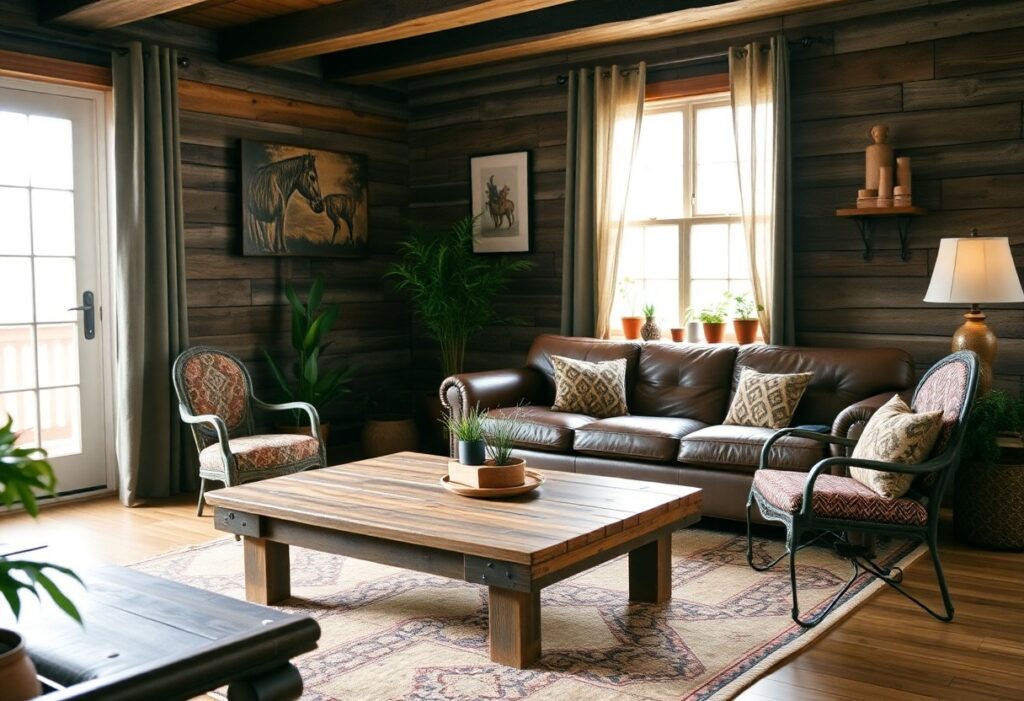
With the rising popularity of rustic decor, selecting the right furniture can elevate your home’s aesthetic. This guide will walk you through the nine necessary steps to ensure that your rustic furniture not only enhances your space but also reflects your personal style. By considering factors such as color, materials, and overall theme, you can create a harmonious environment that makes your rustic furniture a perfect fit for your decor. Let’s explore these steps and transform your living space into a cozy retreat that showcases your unique taste.
Understanding Rustic Furniture
Your journey into rustic furniture begins with understanding its unique characteristics and how it can elevate your decor. Rustic furniture embraces a natural aesthetic, often featuring raw, organic materials that celebrate the beauty of imperfections. From weathered finishes to handcrafted details, each piece tells a story while providing warmth and charm to your space.
Characteristics of Rustic Style
Across various designs, rustic style is defined by its emphasis on authenticity and natural elements. This approach often includes repurposed woods, earthy color palettes, and handcrafted finishes that radiate a sense of simplicity and comfort. Characteristics such as exposed wooden beams and textured fabrics contribute to a lived-in, cozy atmosphere.
Types of Rustic Furniture
Style plays a significant role in defining the types of rustic furniture available to you. These pieces vary widely, accommodating diverse tastes and functional needs. Some popular categories include:
- Log Furniture
- Farmhouse Tables
- Reclaimed Wood Items
- Antique and Vintage Pieces
- Cabinets and Storage Solutions
Any of these options can enhance the overall feel of your home, allowing you to create the perfect rustic retreat.
| Type | Description |
| Log Furniture | Constructed from logs, showcasing natural shapes and textures. |
| Farmhouse Tables | Sturdy, large tables perfect for gathering with family and friends. |
| Reclaimed Wood | Eco-friendly furniture made from salvaged wood, rich in character. |
| Antique Furniture | Vintage pieces with histories that add personality to your space. |
| Cabinets | Storage solutions that blend functionality with rustic aesthetics. |
A deeper examine types of rustic furniture reveals a wealth of options perfect for your unique style. Antique armoires can serve both decorative and practical purposes, while handmade crafts add a local artisan touch to your decor. Consider these main categories:
- Handcrafted Items
- Rustic Sofas
- Rustic Chairs
- Benches and Ottomans
- Dining Sets
Any of these selections can significantly impact your space, ensuring your home embodies the rustic charm you seek.
| Type | Description |
| Handcrafted Items | Unique pieces made by artisans, often reflecting traditional techniques. |
| Rustic Sofas | Comfortable seating options that blend style and durability. |
| Rustic Chairs | Chairs designed with natural aesthetics in mind, providing both comfort and style. |
| Benches and Ottomans | Versatile seating arrangements that work in various settings. |
| Dining Sets | Complete dining arrangements that invite family and friends to gather. |
Assessing Your Current Decor
The first step in selecting rustic furniture is to assess your current decor. Take a moment to evaluate your existing color palette, furniture pieces, and overall style. Consider how these elements interact and how rustic furniture can enhance or contrast with your current setup. This will help you identify what type of rustic pieces will bring warmth and character to your space while maintaining a cohesive look.
Color Schemes
With any design project, color schemes play a pivotal role in achieving harmony. Look for rustic furniture that complements or contrasts your existing colors effectively. Earthy tones, such as browns, greens, and muted reds, can seamlessly integrate into most settings, adding depth and richness to your decor.
Furniture Styles and Themes
The style and theme of your space significantly influence your rustic furniture choices. Identifying whether your decor is modern, traditional, or eclectic helps you make informed decisions that align with your overall vision. Rustic furniture can work across various styles but will look particularly striking in settings with a farmhouse, lodge, or vintage aesthetic.
At the heart of selecting the right furniture styles and themes is understanding how rustic pieces can accentuate your existing decor. For example, if you have a contemporary minimalist space, you might opt for sleek rustic designs that maintain clean lines. Conversely, a traditional setting may benefit from more ornate rustic furniture that highlights the cozy charm of wood and craftsmanship. By aligning your rustic furniture choices with your current theme, you can create a seamless flow that enhances your home’s welcoming atmosphere.
Identifying Your Needs
Some aspects to consider when selecting rustic furniture include the specific requirements of your space and style. Before rushing into a purchase, take some time to assess what you truly need to enhance your decor. This understanding will help you select pieces that not only match your aesthetic but also serve a practical purpose in your home.
Functionality and Purpose
At the core of your furniture selections, you should prioritize the functionality and purpose of each piece. Consider how each item will be used in your daily life—is it for relaxing, entertaining, or storage? Ensuring that your rustic furniture fulfills its intended function will help create a harmonious and efficient living environment.
Space Considerations
Beside functionality, you also need to assess your available space. The size and layout of your rooms can significantly influence your furniture choices. Opting for pieces that fit well within your space will prevent overcrowding and create a more inviting atmosphere.
Considerations for space go beyond mere dimensions; think about how your furniture interacts with existing elements in the room. Ensure there is ample room for movement and that the furniture style complements other decor. Visual balance is key, so opt for proportions and arrangements that create a cohesive atmosphere, allowing your rustic pieces to enhance the overall look without overwhelming your space.
Material Matters
Many factors contribute to the selection of rustic furniture, and material is one of the most significant. The texture, weight, and durability of the materials you choose will not only influence the look of your space but also determine how well the furniture stands up to the test of time. When dicking out rustic pieces, you should focus on natural materials that enhance the warm, organic feel that rustic decor embodies.
Common Materials in Rustic Furniture
Rustic furniture is often crafted from a variety of natural materials, with wood being the most prevalent choice. Species like oak, pine, and cedar are popular due to their strength and rich, textured surfaces. Other materials like wrought iron, stone, and leather can also complement wood, adding warmth and character to your rustic decor.
Choosing Eco-Friendly Options
At the heart of selecting rustic furniture lies the option for eco-friendly materials. By choosing sustainable wood or reclaimed materials, you not only contribute to environmental conservation but also add a unique story and charm to your space.
Also, supporting eco-friendly furniture means that you are making a positive impact on the environment. Look for certifications such as FSC (Forest Stewardship Council) for wood and choose brands that prioritize sustainability. Investing in furniture made from reclaimed or upcycled materials can also reduce waste while giving you distinctive pieces that stand out. Prioritizing eco-friendly options ensures that your home remains stylish and environmentally responsible.
Choosing the Right Color Palette
All the elements of your rustic furniture should blend seamlessly with your overall decor. Selecting the right color palette is crucial to creating a harmonious atmosphere in your space. Earthy tones often enhance the warmth of rustic aesthetics, while bold accents can add character and focus to specific areas. Striking the right balance will elevate your decor for a truly inviting experience.
Earthy Tones vs. Bold Accents
Right from the start, you should consider earthy tones for a natural, grounded look that enhances the rustic charm of your furniture. Shades like warm browns, greens, and muted oranges create a cohesive, comfortable environment. Alternatively, bold accents can inject personality and drama into the space, allowing you to express your individual style without overpowering the rustic essence.
Harmonizing with Existing Decor
An crucial part of selecting rustic furniture involves harmonizing with your existing decor. Evaluate the dominant colors, textures, and styles currently present in your space to ensure that the new pieces enhance rather than clash with what you already have.
In fact, this approach helps you create a unified look that reflects your personal style. By choosing rustic furniture that complements existing decor elements, you can maintain a consistent theme while adding depth and interest. Look for similarities in tones, materials, and finishes to create a seamless transition. This thoughtful integration of new pieces will elevate your space and ensure that the rustic furniture feels like a natural part of your home.
Sourcing Rustic Furniture
Keep in mind that sourcing rustic furniture can greatly enhance the overall aesthetic of your space. Exploring various places to find unique pieces will lead you to options that fit your style and enhance your décor. From local shops to online marketplaces, having a diverse strategy can help you discover items that reflect your personality while also complementing your home’s rustic charm.
Retail Options
Along your search for rustic furniture, consider visiting retail stores that specialize in home furnishings. Many retailers feature a dedicated section for rustic décor, where you can find an array of tables, chairs, and accent pieces. Shopping in-store allows you to see the items up close, examine their quality, and visualize how they would fit into your space.
Custom and Handmade Selections
Above large retail chains, you might also find value in custom and handmade selections. These unique pieces often offer an authenticity that mass-produced items cannot match, allowing you to create a truly one-of-a-kind look in your home.
Rustic furniture that is custom made or handcrafted adds a personal touch that speaks to your individual style. Many artisans and craftsmen offer options that cater to your specific requirements, ensuring custom dimensions or finishes. By choosing handmade items, you not only support local businesses, but you also gain access to exclusive designs that align perfectly with your vision for rustic elegance.
Final Thoughts and Maintenance Tips
Now that you’ve chosen the perfect rustic furniture for your space, it’s crucial to keep it looking beautiful for years to come. Regular maintenance can enhance longevity and appearance. Follow these tips:
- Dust regularly with a soft, dry cloth.
- Apply a wood conditioner every six months.
- Avoid placing furniture in direct sunlight to prevent fading.
- Use coasters to prevent water rings and heat damage.
Thou art now equipped to enjoy your rustic decor while keeping it pristine!
FAQ
Q: What factors should I consider when choosing rustic furniture?
A: When choosing rustic furniture, consider the overall style and color palette of your space. Look at the materials used in your current decor—wood types, fabrics, and finishes—to ensure compatibility. Additionally, take into account the scale and proportion of the furniture in relation to your room’s size. Think about functionality as well; choose pieces that meet your needs while enhancing the aesthetic appeal of your home.
Q: How can I ensure that rustic furniture meshes well with modern decor?
A: To blend rustic furniture with modern decor effectively, look for pieces that incorporate clean lines and minimalist designs along with rustic elements. Choosing neutral color schemes or incorporating metal accents can help bridge the gap between the two styles. Additionally, you can accentuate the rustic furniture with modern accessories, creating a harmonious balance between the textures and aesthetics of both styles.
Q: What are some common mistakes to avoid when selecting rustic furniture?
A: One common mistake is overlooking the scale of the furniture; ensure that the pieces you select fit comfortably in your space without overwhelming it. Another mistake is failing to consider the colour scheme of the room; rustic furniture works best when it complements existing colors rather than clashes with them. Lastly, avoid picking too many rustic pieces; a mix of styles can create a more dynamic and interesting atmosphere, rather than sticking strictly to one theme.

