


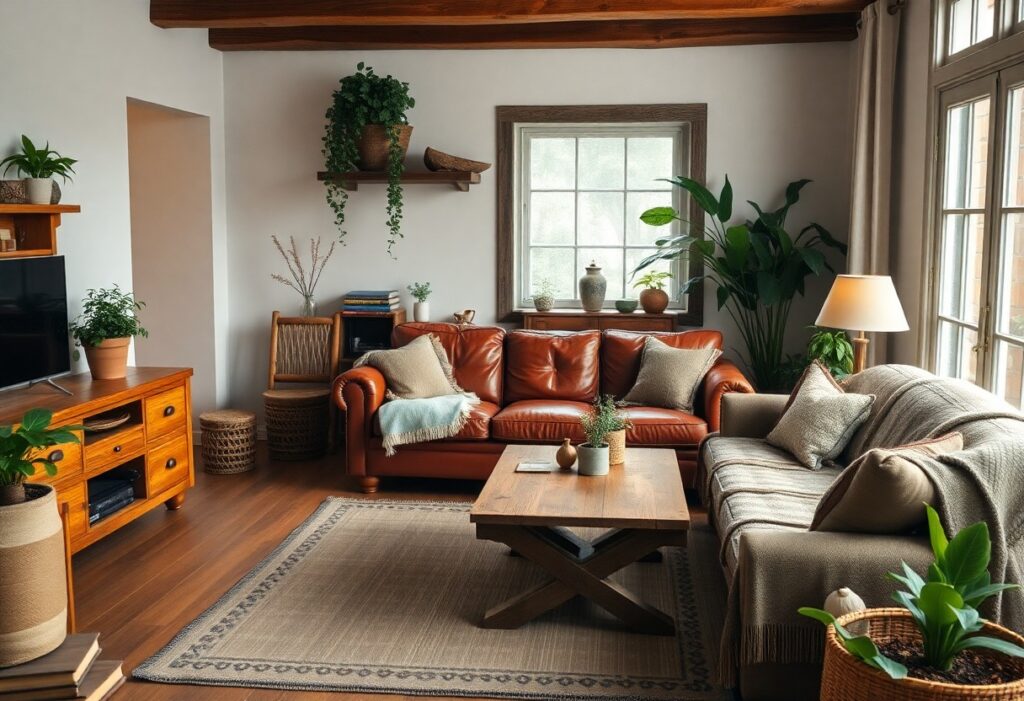
With the right approach, you can effortlessly blend rustic furniture styles to create a cohesive and inviting space in your home. Mixing various rustic elements not only adds character but also allows you to express your personal style. In this guide, you’ll discover vital steps to harmonize different rustic styles while ensuring your room exudes warmth and charm. Whether you’re updating a cozy cabin or a modern dwelling, these tips will help you achieve that perfect rustic look you desire.
Understanding Rustic Furniture Styles
Before you blend rustic furniture styles into your space, it’s imperative to grasp the essence of rustic design. Characterized by its natural appeal and raw beauty, rustic furniture often incorporates organic materials and earthy tones, evoking a sense of warmth, comfort, and authenticity. By familiarizing yourself with the various rustic styles available, you can create a cohesive and inviting atmosphere in any room of your home.
Key Characteristics of Rustic Design
About rustic design, it’s defined by its emphasis on ruggedness and simplicity. You’ll notice elements like distressed finishes, handcrafted details, and functional aesthetics. The style embraces imperfections, leading to an inviting, lived-in feeling that makes the space more welcoming. Natural materials like wood, stone, and metal are common, and earthy color palettes enhance the organic vibe of your home.
Popular Rustic Furniture Materials
Understanding the materials typical in rustic furniture can help you make informed choices when mixing styles. You might find that wood, especially reclaimed or knotty varieties, is predominant, providing a sturdy and timeless look. Additionally, wrought iron or bronze accents often accompany wooden pieces, adding character and durability.
The most popular materials often used in rustic furniture include reclaimed wood, which is celebrated for its unique history and sustainable qualities. This type of wood features distinct grains and textures that enhance rustic charm. Stone, too, plays a significant role, particularly in table and fireplace designs, bringing an earthy touch to your décor. Lastly, natural fabrics such as linen and wool can tie together the rustic aesthetic through textiles, further emphasizing comfort and relaxation in your space.
Choosing a Dominant Style
Assuming you’re looking to successfully mix rustic furniture styles, choosing a dominant style is key to creating a cohesive look. Select a primary aesthetic that resonates with your personal taste, whether it’s farmhouse chic, industrial rustic, or a blend of different influences. By establishing this foundation, you can incorporate other styles without overwhelming the space, ensuring harmony in your design.
Identifying Your Preferred Rustic Aesthetic
Your rustic aesthetic sets the tone for your space. Take some time to explore various styles such as lodge, vintage farmhouse, or barn-inspired designs. Look through magazines, social media, or even your own home for inspiration. Narrowing down to a specific aesthetic guides your choices and makes the blending of styles more seamless.
Balancing Rustic Styles with Other Design Elements
Identifying the right balance between rustic styles and other design elements is imperative for an inviting room. Consider how colors, textures, and function can work together to elevate your rustic aesthetic alongside modern or traditional pieces.
But achieving this balance takes some strategy. Evaluate the colors present in your rustic furniture and see how they interact with other decor items. Emphasize contrasting materials, like metal or glass, to create visual interest. Don’t shy away from incorporating contemporary accessories that can ground the space while allowing your rustic elements to shine. This thoughtful approach will lead to a harmonious blend that feels intentional and comfortable.
Creating a Color Palette
Any successful rustic furniture mix begins with an intentional color palette that ties the room together. By carefully selecting colors that harmonize with each other, you can create a warm and inviting atmosphere. Consider how the colors of your rustic pieces can coexist with other elements in the room, enhancing the overall aesthetic and contributing to a cohesive design. Aim for a balance of shades that exude comfort while also reflecting your personal style.
Selecting Neutral Tones
Between shades of beige, gray, and taupe, neutral tones provide the perfect backdrop for your rustic furniture. These soft hues allow the natural wood and texture of your pieces to shine without overwhelming the space. By incorporating neutral tones into your walls or larger furniture items, you set a serene stage that invites other colors to pop, creating a well-rounded design that feels both modern and classic.
Incorporating Earthy Accents
Between terra cotta, deep greens, and rich browns, earthy accents can enrich your space and create depth alongside rustic furniture. These colors revive nature’s palette, adding warmth and vibrancy to the room. Look for decorative elements such as throw pillows, artwork, or plants to introduce these earthy tones, seamlessly connecting the rustic furniture with the surrounding decor.
Plus, using earthy accents not only enhances your color palette but also brings a layer of organic beauty to your rooms. Consider using natural materials, such as stone or clay decor, which can resonate well with your rustic pieces. Incorporating elements like woven baskets or ceramic vases in muted earth tones can tie your design together beautifully and create an inviting ambiance that’s reminiscent of the great outdoors.
Mixing Textures for Depth
Not only does mixing textures create visual interest, but it also adds depth to your rustic furniture style. By thoughtfully combining various materials, you can transform a space, making it feel inviting and layered. Emphasizing texture in upholstery, flooring, and decor enhances the rustic charm, inviting guests to engage with your design choices. The key is to balance those textures harmoniously, allowing each element to shine without overwhelming the room.
Combining Wood and Metal
Metal elements can beautifully complement rustic wood furniture, creating a striking contrast that elevates your room’s aesthetic. Consider using metal accents, such as light fixtures, wall art, or furniture legs, to add an edgy flair to otherwise soft wooden surfaces. This combination not only highlights the natural beauty of the wood but also introduces a modern touch that keeps your space feeling fresh and dynamic.
Layering Fabrics for Comfort
Against the backdrop of rustic furniture, layering fabrics can significantly enhance the comfort and warmth of your room. This technique invites softness into the space, making it more inviting for relaxation and socializing. Whether you choose throw pillows, blankets, or rugs, layering different fabrics adds a tactile element, contributing to the overall cozy ambiance of your home.
And to create the ultimate comfort, mix textures such as linen, wool, and cotton in your layered fabrics. A chunky knit blanket draped over a crisp linen sofa, paired with vibrant cotton pillows, establishes a balance that feels both relaxed and stylish. Consider adding a plush area rug underfoot to anchor the room and invite guests to sit and stay awhile. This thoughtful layering will make your space inviting and encourage a sense of comfort within your rustic style.
Arranging Furniture for Flow
Your furniture arrangement is key to achieving flow in a rustic-styled room. By thoughtfully positioning each piece, you can create a harmonious space that feels inviting and functional. Pay attention to movement patterns and sightlines, allowing for a seamless transition between different areas of the room. A well-planned layout enhances the rustic charm while ensuring comfort and ease of use.
Spatial Considerations
With the right spatial considerations, you can maximize the functionality of your rustic decor. Assess the room’s dimensions and existing architectural features before deciding where to place your furniture. Leave adequate space for movement and conversations, ensuring that you don’t overcrowd areas which might impede the room’s natural flow.
Focal Points and Room Functionality
Beside spatial arrangements, identifying focal points within your rustic room significantly impacts its functionality. Determine what elements you want to highlight, such as a fireplace, a piece of artwork, or a statement furniture item, and arrange your furniture to draw attention to these focal points. This will not only enhance the aesthetics but also improve the usability of the space.
At the core of any successful room design lies the interplay between focal points and functionality. Prioritize layout decisions that invite conversation and promote engagement within your rustic aesthetic. For instance, positioning your seating around a fireplace not only serves as a focal point but also encourages warmth and interaction. Strive for balance in your arrangement, ensuring that while each element stands out, they all contribute to a harmonious and inviting atmosphere.
Accessorizing with Rustic Touches
After selecting your rustic furniture pieces, accessorizing with rustic touches will enhance the overall ambiance of your room. Incorporate items that reflect the charm of rustic design while harmonizing beautifully with your existing decor. Opt for natural materials, earthy color palettes, and vintage accents to tie different elements together, transforming your space into a cohesive and inviting setting.
Utilizing Natural Elements
Any rustic design can be elevated by integrating natural elements like wood, stone, and plants. These organic materials not only add texture and warmth but also establish a serene atmosphere that connects your interior with the outdoors. Consider wooden bowls, stone accents, or live plants to bring a touch of nature into your home.
Incorporating Handmade Décor
Along with natural elements, incorporating handmade décor pieces adds uniqueness and character to your space. Handmade items often tell a story and bring a sense of authenticity, making them perfect for rustic styling.
Touches of handmade décor can vary greatly, from artisanal pottery to woven baskets and quilts. Look for items crafted by local artisans or even venture into DIY projects to create bespoke pieces that reflect your personal style. By blending these handmade accents with your rustic furniture, you cultivate a home environment that feels personal, warm, and inviting, fostering a sense of comfort and originality in your living spaces.
Conclusion
Considering all points, you can successfully mix rustic furniture styles in any room by focusing on balance, color consistency, and complementary textures. Start with a cohesive color palette and strategically incorporate various rustic elements that enhance your existing decor. Incorporate layers of natural materials and add personal touches to create a warm and inviting atmosphere. By following these vital steps, you’ll be able to achieve a harmonious blend of rustic charm, making your space both unique and welcoming.
Q: What are the key characteristics of rustic furniture styles?
A: Rustic furniture is typically characterized by its natural materials, rough textures, and a handmade aesthetic. Common materials include reclaimed wood, distressed finishes, and metal accents. The design often emphasizes simplicity and functionality, creating a warm and inviting atmosphere. Elements such as earthy colors, organic shapes, and artisanal craftsmanship are also hallmark traits of rustic styles.
Q: How can I successfully mix rustic furniture with modern decor?
A: To create a harmonious blend of rustic furniture and modern decor, start by selecting a focal point that captures attention in the room. This could be a piece of rustic furniture, like a reclaimed wood dining table. Balance the rustic elements with modern finishes in other furniture pieces, such as clean-lined chairs or sleek lighting fixtures. Use neutral color palettes to bridge the styles, and incorporate natural textures—like wool or cotton textiles—to tie everything together.
Q: What are some tips for incorporating rustic furniture in smaller spaces?
A: In smaller spaces, opt for multifunctional rustic furniture pieces, such as a coffee table with storage or a sofa bed made from reclaimed wood. Choose lighter woods or lighter finishes to prevent the room from feeling cramped. Use mirrors to reflect light and create the illusion of a larger area. Lastly, accessorize with rustic decor—like woven baskets or natural fiber rugs—to enhance the rustic vibe without overcrowding the space.

