


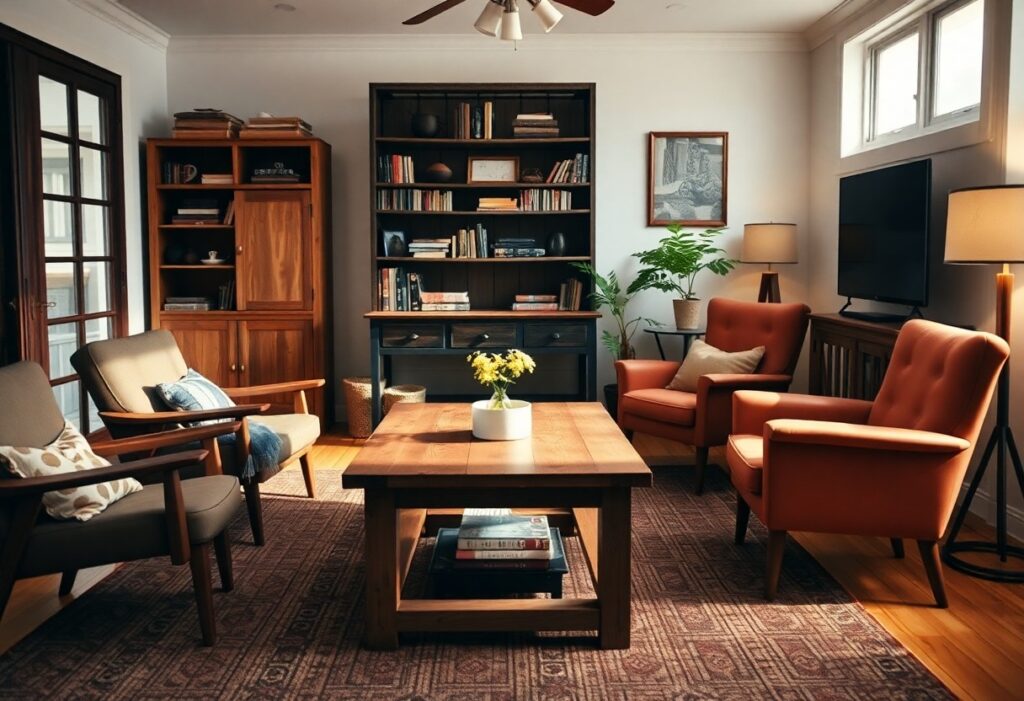
Many homeowners are drawn to the warmth and charm of rustic furniture, which can beautifully enhance your living space. This guide will take you through each step of creating your own rustic furniture collection, helping you to select pieces that reflect your personal style while providing comfort and functionality. From selecting the right materials to choosing ideal color palettes, you will learn how to curate an inviting and cohesive rustic aesthetic that truly feels like home. Get ready to turn your vision into reality as you launch on this exciting journey!
Understanding Rustic Furniture
For anyone looking to infuse a warm, inviting atmosphere into their home, understanding rustic furniture is crucial. This style embraces the beauty of imperfection and features pieces that often reflect the natural charm of the outdoors. With elements that range from reclaimed wood to handcrafted designs, rustic furniture allows you to create a cozy ambiance that showcases your unique taste while maintaining a connection to nature.
Key Characteristics
With a focus on organic materials and timeless designs, rustic furniture often includes characteristics such as rugged textures, natural finishes, and handcrafted details. Expect to see pieces that tell a story, whether through weathered wood or artisanal craftsmanship, creating a sense of warmth and comfort in your living space.
Popular Materials
Around rustic furniture collections, you’ll commonly encounter materials that enhance their natural appeal. Wood, particularly reclaimed varieties, is a staple, while metal accents and fabrics such as burlap or canvas often complement the overall aesthetic.
Considering the materials used in rustic furniture can significantly impact your collection’s authenticity. Reclaimed wood not only adds character but also promotes sustainability, making it an excellent choice for eco-conscious homeowners. Additionally, metal elements like wrought iron can provide contrast and stability, while natural fabrics contribute to the overall cozy vibe. By selecting these materials thoughtfully, you can curate a space that feels both inviting and distinctly personal.
Defining Your Style
Clearly, establishing your unique style is the foundation of curating a rustic furniture collection. Consider the aesthetic that resonates with you—whether it’s quaint farmhouse charm, rugged cabin aesthetics, or a modern rustic fusion. Take time to reflect on how these elements can harmonize in your living space to create an inviting atmosphere.
Personal Preferences
Personal preferences play a significant role in defining your style. Take note of your favorite colors, materials, and designs. This will help you identify furniture pieces that not only fit your rustic theme but also reflect your individuality, allowing your home to feel uniquely yours.
Inspiration Sources
With the right inspiration, you can discover a plethora of ideas for your rustic furniture collection. Look into various sources such as home décor magazines, online platforms like Pinterest, or even nature itself for textures and colors that resonate with your vision.
Hence, exploring inspiration sources diversifies your understanding of rustic design while aligning it with your personal taste. Consider visiting local artisan shops or attending home décor expos to see pieces in person, gaining tactile insight into textures and finishes. Additionally, following interior design blogs or social media influencers can inspire fresh ideas and creative approaches to incorporating rustic elements into your home.
Setting a Budget
Assuming you want to build a rustic furniture collection, the first step is to establish a clear budget. This will guide your purchasing decisions and help you prioritize crucials versus optional pieces. Knowing your financial limit not only prevents overspending but also streamlines your choices, ensuring that you invest in high-quality items that fit your aesthetic without breaking the bank.
Cost Considerations
Above all, consider the types of rustic furniture that interest you and their average costs. Different materials and construction methods can significantly affect pricing, so research the styles you like to find a comfortable range. Depending on whether you opt for reclaimed wood pieces or new handcrafted designs, allocate funds accordingly to ensure you achieve the desired look.
Smart Shopping Tips
Setting a budget isn’t just about hard limits; it also involves smart shopping. To get the most value for your money, consider these tips:
- Research to compare prices across different retailers.
- Look for sales, discounts, and seasonal promotions.
- Explore second-hand options for unique finds.
- Negotiate prices when possible.
Perceiving the market’s ebb and flow can save you significant amounts while still ensuring quality and craftsmanship in your rustic furniture collection.
Budgeting wisely also involves keeping an eye out for practical tips that enhance your shopping experience. Focus on items that offer long-term durability, and consider the maintenance costs associated with each piece. Utilize techniques like bulk buying to economize on shipping costs, and don’t shy away from contacting local artisans who might offer personalized deals.
- Follow artisan pages on social media for exclusive offers.
- Join online communities passionate about rustic furniture for insider tips.
- Track prices over time to spot trends.
- Have a checklist of must-haves to avoid impulse purchases.
Perceiving the opportunities that arise as you navigate the shopping landscape can lead you to a beautiful collection that aligns with your budget and style.
Sourcing Furniture
Once again, it’s important to explore various avenues for sourcing rustic furniture that aligns with your aesthetic. From local shops to online platforms, each option offers unique pieces that can elevate your home’s character. Consider both traditional and modern sourcing methods to curate a genuinely original collection.
Antique Shops and Flea Markets
Flea markets and antique shops are treasure troves for rustic furniture enthusiasts. These venues often feature one-of-a-kind items that carry a unique history, making them perfect for adding charm to your home. Take your time to browse these spaces, as you might stumble upon that perfect piece that resonates with your style.
Online Retailers and Auctions
At the same time, don’t overlook the convenience of online retailers and auctions for sourcing rustic furniture. Websites specializing in vintage and handmade items can connect you with a vast selection of rustic pieces from around the globe. You can often find well-curated collections that suit various budgets and styles.
In addition, online auctions provide an exciting way to acquire unique pieces while potentially scoring them at lower prices. Platforms like eBay or specialized auction houses often feature rustic furniture that’s been carefully vetted for quality. Just make sure to read descriptions thoroughly, and don’t hesitate to ask questions to ensure you’re getting a piece that meets your expectations.
Mixing and Matching Styles
Keep in mind that mixing and matching styles can breathe new life into your rustic furniture collection. Combining different pieces from various design eras enhances the visual interest of your space, allowing you to express your unique personality. Pair rustic wooden furniture with industrial metal accents or vintage textiles to create a delightful balance. Playing with colors, textures, and shapes will help your home feel inviting while showcasing your personal taste in design.
Complementing Modern Decor
After you have selected rustic pieces, think about how they enhance your modern decor. The blending of rustic furniture with modern elements creates a stylish juxtaposition, which can evoke a warm and comfortable atmosphere. Incorporate modern lighting and sleek accessories to ensure that your rustic collection doesn’t overwhelm your space.
Creating a Cohesive Look
Look for common threads that tie your rustic furniture collection together to create a cohesive look. Consistency in color palette, wood tones, and style can help unify diverse elements in your space. A cohesive look creates harmony, making your home feel more curated and thoughtfully designed.
Even small details can contribute significantly to your space’s overall coherence. Consider using similar finishes or accent pieces to bridge gaps between different styles. By thoughtfully selecting items that complement one another, you can achieve a seamless integration of various influences, ultimately leading to a harmonious and inviting environment that reflects your personal taste.
Care and Maintenance
Unlike other furniture styles, rustic pieces require unique care to maintain their charm. The natural materials and finishes are often more sensitive to harsh weather and chemicals, so you should adopt a gentle approach to keep your furniture looking its best. Regular maintenance will enhance longevity while preserving the character of your collection.
Cleaning Techniques
Cleaning your rustic furniture doesn’t have to be complicated. Use a damp cloth to wipe surfaces and remove dust, avoiding heavy cleaning agents that can strip natural finishes. For deeper cleansing, a mixture of mild soap and water will do wonders while keeping the wood intact. Always dry thoroughly to prevent moisture damage.
Repairing Damaged Pieces
About repairing damaged pieces, it’s important to approach each situation with care. Minor scratches or dents on rustic furniture can often be fixed with a simple wood filler or by buffing with sandpaper and applying a matching finish. For significant damage, you may consider professional help or embrace the rustic look by adding your own touch to the repairs.
With a little patience and the right techniques, you can restore your rustic furniture to its former glory. Look for furniture repair kits specifically designed for wood, which often come with all the necessary tools and materials. Don’t shy away from using your creativity; sometimes a unique touch can add even more character to your beloved pieces.
Conclusion
Drawing together a rustic furniture collection for your home requires thoughtful planning and a keen eye for quality pieces that reflect your personal style. By understanding the key elements of rustic design and carefully selecting items that complement each other, you can create a warm and inviting atmosphere. Embrace the natural textures and earthy tones that define this style, and don’t hesitate to mix vintage and modern elements. With patience and creativity, you’ll build a cohesive and beautiful collection that enhances the charm of your living space.
Q: What are the key elements to consider when selecting rustic furniture for my home?
A: When curating a rustic furniture collection, focus on several key elements: material, craftsmanship, style, and functionality. Natural materials such as wood, metal, and stone are often used in rustic design, with a preference for reclaimed or sustainably sourced options. Look for pieces that demonstrate quality craftsmanship, like solid joinery and attention to detail. The overall style should resonate with your personal taste, so consider whether you prefer a more traditional farmhouse aesthetic or a contemporary rustic style. Lastly, ensure that the furniture serves a functional purpose in your space, complementing your lifestyle and everyday needs.
Q: How can I mix rustic furniture with other design styles in my home?
A: Mixing rustic furniture with other design styles can create a visually interesting and dynamic space. Start by identifying a common element that can tie the different styles together, such as color or texture. For example, you might choose rustic wooden pieces with a natural finish that can harmonize with modern or industrial accents. Additionally, consider using textures like soft fabrics or metallic accessories to create balance. Layering different design styles while retaining a cohesive color palette can also help unify the overall look. Experimenting with arrangement and placement is key, so try different configurations to find what feels best for your home.
Q: What are some tips for maintaining rustic furniture to ensure its longevity?
A: Maintaining rustic furniture involves regular care and timely upkeep to preserve its appearance and durability. Start by dusting the furniture regularly to prevent dirt buildup and using a soft cloth to clean surfaces. For wood pieces, applying a suitable furniture polish or beeswax helps maintain the finish and protects against moisture. Avoid placing furniture in direct sunlight to prevent fading. For any scratches or dents, consider using wood fillers or touch-up markers that match the finish of your furniture. Lastly, be mindful of any changes in humidity, as excessive moisture or dryness can affect the integrity of wooden furniture over time.

