


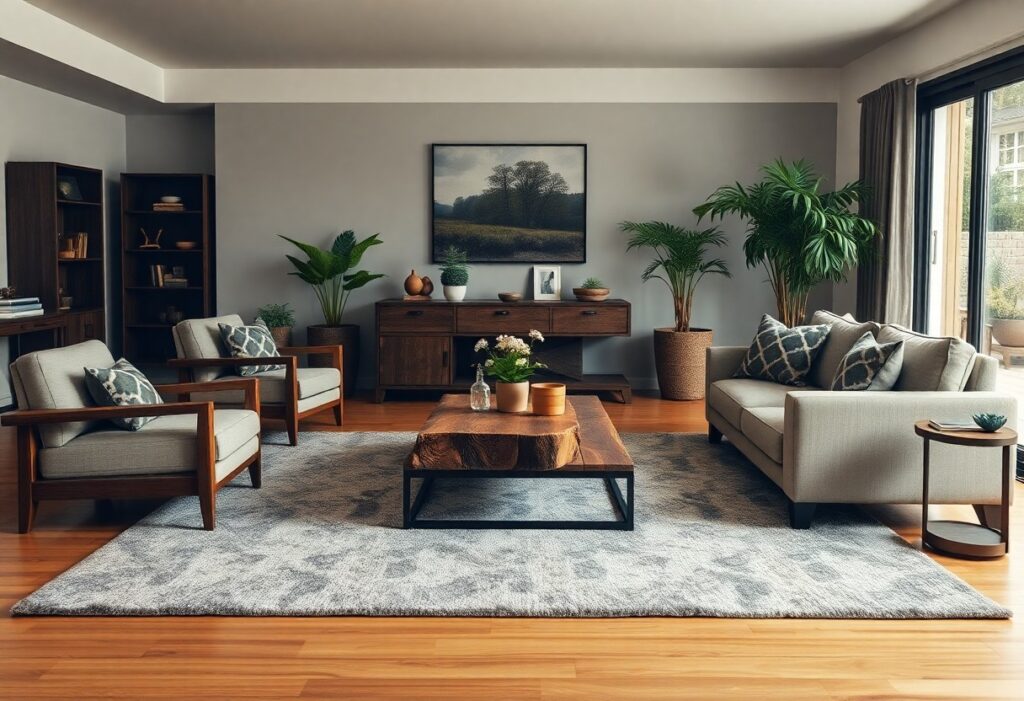
Rustic charm exudes warmth and comfort, making it the ideal choice for creating a cozy living room. In this guide, you’ll discover vital steps for integrating rustic designer furniture that enhances your space while reflecting your personal style. From selecting the right pieces to incorporating textures and colors that resonate with the rustic aesthetic, each step will help you transform your living area into a comforting retreat. Get ready to embrace a design that marries functionality with a relaxed ambiance, perfect for unwinding after a long day.
Understanding Rustic Design
A rustic design embraces the charm of nature, emphasizing simplicity and authenticity. This style often features raw, unfinished elements that create an inviting and warm environment. By integrating natural materials and organic forms, you can cultivate a space that feels grounded and connected to the outdoors. Whether you favor farmhouse aesthetics or more rugged influences, incorporating rustic design elements will enhance the coziness of your living room.
Key Characteristics of Rustic Furniture
Designing with rustic furniture often incorporates natural woods, distressed finishes, and handcrafted details. You may find pieces that exhibit a rugged charm, such as weathered surfaces or vintage accents. This aesthetic encourages comfort by utilizing functional designs that blend seamlessly with natural elements, allowing for an inviting and personalized space.
Popular Rustic Materials and Finishes
The materials and finishes you choose play a significant role in achieving a rustic look. Often, you’ll find woods like oak, pine, and reclaimed timber shining in rustic designs, as they provide warmth and authenticity. Additionally, metals with a patina or wrought iron elements can enhance the overall rustic feel.
Rustic furniture often features a variety of materials that contribute to its distinctive appeal. Common choices include reclaimed wood, which adds character and history, and natural fibers like linen and wool that offer texture and comfort. Finishes may range from matte to distressed, highlighting the imperfections and unique qualities of each piece. By selecting materials that resonate with the rustic aesthetic, you can create a living room that is both stylish and inviting.
Choosing the Right Rustic Furniture
Now that you’ve envisioned your cozy living room, it’s crucial to choose the right rustic furniture that complements your style while providing comfort. This furniture not only reflects a warm and inviting aesthetic but also creates a harmonious balance in your space. With various options available, you can select pieces that marry beauty and functionality for the ultimate cozy experience.
Types of Rustic Furniture for the Living Room
By understanding the different types of rustic furniture available, you can make informed choices for your living room. Here are some key categories:
- Wooden coffee tables
- Reclaimed wood sofas
- Rustic armchairs
- Farmhouse-style side tables
- Antique-style shelving units
This variety allows you to mix and match elements that enhance your personal style.
| Furniture Type | Description |
| Wooden Coffee Tables | Sturdy tables made from solid wood, often featuring natural finishes. |
| Reclaimed Wood Sofas | Elegant sofas crafted from upcycled materials, adding character to your space. |
| Rustic Armchairs | Comfortable, stylish chairs that enhance casual seating areas. |
| Farmhouse-Style Side Tables | Functional tables with a charming, rustic flair complementing any décor. |
| Antique-Style Shelving Units | Unique shelves showcasing your décor, books, and treasures. |
Sourcing High-Quality Rustic Pieces
By sourcing high-quality rustic pieces, you ensure that your furniture is durable and visually appealing. Look for local artisans or reputable online retailers who specialize in rustic designs. Consider visiting flea markets, antique shops, or thrift stores to find unique items that can serve as focal points in your living room.
Right now, it’s a great time to explore different sources for rustic furniture. High-quality pieces often tell a story and can elevate your living room’s ambiance. Pay attention to construction and materials, as well as any signs of wear. Selecting pieces that are not only aesthetic but also sturdy and well-crafted will transform your space into a cozy retreat that endures through time.
Creating a Cozy Layout
Clearly, the layout of your living room plays a significant role in establishing a cozy atmosphere. Begin by arranging your furniture to promote conversation and connection, ensuring that each piece is easily accessible. Position seating around a central focal point, such as a fireplace or coffee table, allowing your space to invite relaxation and interaction. This thoughtful arrangement fosters an inviting environment that you’ve always desired.
Arranging Furniture for Comfort
For a truly comfortable living room, focus on creating defined spaces for various activities, such as entertaining guests, relaxing, or enjoying family time. Choose larger pieces to anchor the room and smaller ones to fill in gaps, paying attention to the flow of movement. Ensure that pathways are unobstructed, allowing easy navigation throughout your space.
Incorporating Textiles and Soft Furnishings
For a layered, inviting ambiance, introduce a variety of textiles and soft furnishings into your living room design. Incorporate plush cushions, warm blankets, and area rugs to enhance comfort and visual appeal. Mix textures and patterns to create depth, transforming your space into a sanctuary where you can fully unwind.
In fact, combining different fabrics, such as wool, cotton, and linen, can help achieve a balanced atmosphere that feels both warm and welcoming. Don’t shy away from bold colors or patterned throws—these elements can serve as focal points that draw the eye and add character to your living room. Additionally, layering rugs can help define seating areas and anchor your space, making it more cohesive and inviting.
Enhancing Ambiance with Lighting
Despite the significance of rustic designer furniture, lighting can either elevate or diminish the overall ambiance of your living room. Choosing the right lighting enhances your space’s warmth and charm, allowing you to create a welcoming environment that embodies comfort. Incorporate various lighting sources to complement your rustic elements, achieving balance and inviting intimacy into your home.
Types of Lighting for a Rustic Living Room
On your journey to a cozy living room, consider blending different styles of lighting to achieve the perfect atmosphere. Here’s a breakdown of the types of lighting you can incorporate:
| Type | Description |
| Ambient Lighting | General illumination that brightens up the entire room. |
| Task Lighting | Focused lighting for activities like reading or knitting. |
| Accent Lighting | Highlights architectural features or artwork. |
| Natural Lighting | Utilizes windows and skylights to bring in daylight. |
| Decorative Lighting | Statement pieces that enhance the rustic decor. |
Any combination from these lighting types can beautify your rustic living space, creating an inviting and warm environment that encourages relaxation and socialization.
Layering Light for a Cozy Atmosphere
Below, you will discover the importance of layering your lighting elements to create a well-rounded atmosphere. Layering incorporates ambient, task, and accent lighting to ensure your living room is both functional and stylish. This method allows you to adjust the intensity and focus of your lighting based on your activities or mood, enhancing your overall experience within the space.
Consequently, layering light not only establishes a cozy atmosphere but also adds depth and dimension to your living room décor. By emphasizing key areas with task and accent lighting, you highlight the rustic design while ensuring comfort. Utilizing dimmers can also provide flexibility, enabling you to shift the ambiance from lively gatherings to tranquil evenings, making your space versatile for every occasion.
Accessorizing with Rustic Decor
Unlike modern styles that often favor minimalism, rustic decor embraces warmth and texture, enhancing the cozy atmosphere of your living room. Incorporate unique pieces, such as handcrafted wooden accents, vintage finds, and earthy tones, to create a harmonious blend of comfort and authenticity. Layering textiles and using natural materials will add depth, making your space inviting and personal.
Wall Art and Accessories
To complete your rustic living room, focus on wall art and accessories that resonate with your style. Opt for nature-inspired artwork, such as landscapes or wildlife prints, paired with reclaimed wood frames. Accessories like vintage clocks, wrought-iron candle holders, or metal sculptures can also tie in well with your rustic theme, infusing character and charm into your decor.
Natural Elements and Greenery
Greenery plays a significant role in enhancing the rustic vibe of your living space. Indoor plants, such as ferns, succulents, or peace lilies, not only purify the air but also add vibrancy and life to your room. Consider using terracotta pots or woven baskets to house your plants, reinforcing the natural aesthetics of your decor.
It’s imperative to diversify your choice of plants to create a dynamic visual appeal. Choose varying heights and leaf shapes while arranging them in clusters or on different shelves. Additionally, consider incorporating dried flowers or branches in decorative vases; they introduce a rustic charm while requiring minimal maintenance, ensuring your living room remains stylish and welcoming all year round.
Personalizing Your Space
After selecting rustic designer furniture, it’s time to infuse your living room with your unique style. Personalizing your space elevates the cozy atmosphere, allowing it to reflect your personality and preferences. Incorporate cherished items such as artwork, family photos, or heirloom decor to create a space that feels distinctly yours. Don’t hesitate to select textiles and accessories that resonate with you, ensuring your living room becomes a warm sanctuary that invites relaxation.
Infusing Your Personality into Rustic Design
Along with rustic elements, introduce personal touches that showcase your interests and passions. This could mean displaying favorite books on reclaimed wood shelves or adorn your coffee table with travel souvenirs. The aim is to create narrative pieces that spark conversation and evoke memories, making your living room a true reflection of your life journey.
Mixing Rustic with Modern Elements
Below, find that blending rustic furniture with modern design elements can create a balanced and dynamic aesthetic. By incorporating sleek lines, minimalistic decor, or contemporary artwork, you can achieve a harmonious contrast that keeps your space feeling fresh and inviting.
But achieving the right balance is key. Pair traditional rustic pieces, like a weathered wood coffee table, with modern accents such as geometric art or metal lighting fixtures. This juxtaposition highlights the beauty of both styles, ensuring your living room feels updated yet maintains the warmth and charm of rustic design. Aim for cohesion by sticking to a complementary color palette and similar textures, creating a seamless integration of old and new.
Summing up
Summing up, creating a cozy living room with rustic designer furniture is achievable by focusing on comfort, texture, and natural elements. Start by selecting inviting seating options that harmonize with your aesthetic. Incorporate earthy color palettes and organic materials to enhance the rustic vibe. Layer your space with soft textiles and personal touches like artwork or family photos to make it uniquely yours. By thoughtfully curating each element, you can transform your living room into a warm, welcoming retreat that reflects your personal style.
FAQ
Q: What are the important elements for creating a cozy living room using rustic designer furniture?
A: To craft a cozy living room with rustic designer furniture, you’ll want to focus on several key elements. Start with choosing a color palette that resonates with natural tones, such as earthy browns, warm beiges, and soft greens. Incorporate rustic furniture pieces like a reclaimed wood coffee table, comfortable upholstered sofas, and accent chairs that invite relaxation. Layering textures is also important; opt for cozy throws, soft rugs, and pillows that add warmth. Finally, don’t forget about lighting—using a mix of table lamps, floor lamps, and string lights can create a warm ambiance that highlights your rustic decor.
Q: How can I incorporate modern touches while maintaining a rustic feel in my living room?
A: Blending modern touches with rustic design can create a dynamic look. To achieve this balance, consider introducing sleek metal accents, such as iron lighting fixtures or minimalist shelving, which can contrast beautifully with the warmth of rustic wood furniture. Additionally, choose modern artwork or decorative items that have clean lines and vibrant colors to add a contemporary vibe. To keep everything cohesive, maintain the same color palette throughout the room. This integration can help elevate the rustic charm while ensuring your living space feels fresh and current.
Q: What types of rustic designer furniture work best for a cozy living room?
A: When opting for rustic designer furniture for a cozy living room, focus on pieces that emphasize comfort and durability. Consider incorporating a large, plush sofa with a distressed leather or soft fabric that encourages lounging. A solid wood coffee table with a weathered finish can serve as a striking centerpiece, while side tables crafted from reclaimed wood add character. Don’t overlook accent chairs—choose designs that provide ample support and comfort. Lastly, items like oversized ottomans or poufs can serve dual purposes as seating and added comfort, enhancing the cozy atmosphere of your living room.

